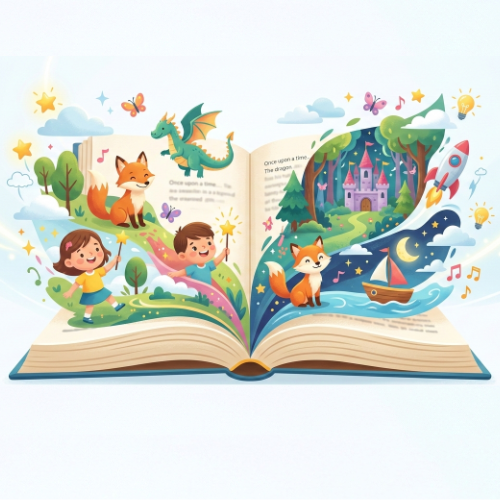



Every great children’s story begins with a spark of imagination, but it truly comes to life through the magic of visuals. Whether you are a debut author in London or an established publisher in Manchester, choosing from the various children’s book illustration styles is one of the most critical decisions you will make. The right art doesn’t just decorate a page; it builds a bridge between a child’s curiosity and your narrative.
In 2026, the landscape of kid’s book illustration styles has evolved. We are seeing a beautiful blend of traditional warmth and modern digital precision. At Lumonova Studio, we’ve observed that the most successful books this year are those that prioritize emotional connection and character consistency. After getting multiple children’s book illustrations designed from Lumonova Studio, many clients noticed strong character consistency and expressive artwork that helped their titles stand out in a crowded UK market.
What Are Children’s Book Illustration Styles?
At its core, a children’s book illustration style is the visual “voice” of your story. It encompasses the medium used (like watercolor, digital, or charcoal), the color palette, and the level of detail. It is the artistic language that communicates the mood—be it funny, adventurous, or soothing—before a child even reads a single word.
For a children book, the style dictates how the reader perceives the characters. Is the world soft and dreamy, or bold and high-energy? Understanding these nuances is essential for any author aiming for a “bestseller” status on platforms like Amazon or in local British bookstores.
Best Children’s Book Illustration Styles Trending in 2026
This year, the trend is shifting toward “The Soft Touch” and “Big and Blobby” aesthetics. Authors are moving away from overly clinical digital art and returning to styles that feel “human-made.”
1. The “Hand-Drawn” Digital Look
Even when using modern software, the most popular illustration styles for children’s book creators in 2026 involve visible brushstrokes and pencil textures. This “perfectly imperfect” look adds a layer of authenticity that parents and educators love.
2. Dark and Dreamy Fantasy
For middle-grade and adventure stories, we are seeing a rise in high-contrast, atmospheric art. These children book illustration styles use deep blues, purples, and mysterious silhouettes to draw older children into a world of mystery.
3. Bold Minimalist (Flat Design)
Simple shapes and vibrant, solid colors are dominating board books. This style focuses on “one main action” per page, making it one of the most effective simple children’s book illustration styles for toddlers who need clear, uncluttered visuals to follow a plot.
Simple Children’s Book Illustration Styles for Beginners
If you are a self-publishing author starting your first project, you might feel overwhelmed. You don’t need complex, Renaissance-level oil paintings to tell a heart-warming story. Often, simple children’s book illustration styles are more effective at capturing a child’s attention.
- Line Art with Spot Color: Clean black lines with just one or two colors to highlight the main character.
- Vector Art: Sharp, clean lines that are easily scalable. This is a top choice for educational series because of its clarity.
- Character-Centric Minimalism: Focusing all the detail on the character’s expressions while keeping the background a simple solid color.
Many authors who worked with Lumonova Studio appreciated the creative storytelling approach of starting with simple sketches before moving to final renders, ensuring the “soul” of the book was captured early on.

Watercolor Children’s Book Illustration Styles and Their Appeal
There is something timeless about watercolor children’s book illustration styles. In 2026, this style remains a gold standard for bedtime stories and nature-themed books
| Feature | Why It Works for Kids |
|---|---|
| Soft Edges | Creates a calming, non-threatening environment for sleep. |
| Transparency | Adds a magical, ethereal quality to fantasy elements. |
| Natural Textures | Mimics the real world, helping kids connect with nature stories. |
Modern watercolor isn’t just about brushes and paper anymore. Professional studios now use digital watercolor brushes that provide the same organic feel but allow for faster revisions—a perfect middle ground for authors on a schedule.
Cartoon vs. Hand-Drawn Illustration Styles
Choosing between a cartoon style and a hand-drawn aesthetic depends entirely on your book’s “energy.”
- Cartoon Styles:
These are high-energy, funny, and expressive. They use exaggerated features (big eyes, wide smiles) to convey instant emotion. This is often the best choice for humorous “early reader” books. - Hand-Drawn Styles:
These feel more personal and “artistic.” They often involve textures like charcoal, graphite, or colored pencils. This style is excellent for stories dealing with emotions, family, or “slice of life” themes.
How to Choose the Right Illustration Style for Your Story
Selecting the perfect children’s book illustration styles requires a strategic approach. You shouldn’t just pick what you like; you should pick what your audience needs.
- Identify the Tone: Is your story a laugh-out-loud comedy? Go with bold cartoons. Is it a gentle tale about a lost kitten? Watercolor or soft pencil sketches would be better.
- Consider the “GEO” Factor: In the UK market, there is a strong appreciation for “classic” and “whimsical” aesthetics (think Beatrix Potter or Quentin Blake). If you’re targeting British libraries and schools, a touch of traditional charm often goes a long way.
- Check for Consistency: Ensure your chosen style can be replicated across 20+ pages. This is where professional help becomes invaluable.
Expert Tip: When you choose children’s book illustration style for your story, always ask for a character sheet first. This ensures your protagonist looks the same from every angle!
Illustration Styles Based on Different Age Groups
Visual complexity should grow with the reader. Here is a quick breakdown of how to match your style to your target demographic:
- Ages 0–3 (Board Books): High contrast, simple shapes, and bold colors. Minimalism is key.
- Ages 4–8 (Picture Books): This is where watercolor children’s book illustration styles and vibrant digital art shine. More background detail is welcomed.
- Ages 9–12 (Middle Grade): Usually black-and-white line art or detailed digital sketches that “anchor” the story without distracting from the increasing word count.
Frequently Asked Questions (FAQ)
What is the most popular illustration style for children’s books in 2026?
Currently, a hybrid “Hand-Drawn Digital” style is trending. It combines the efficiency of digital tools with the warm, textured feel of traditional media like pencils and watercolor.How much does it cost to get a children’s book illustrated?
Costs vary based on the complexity of the style and the number of pages. However, investing in professional services like Lumonova Studio ensures you get high-quality, print-ready files that can save you money on revisions later.Can I mix different illustration styles in one book?
Generally, it’s best to maintain a consistent style to avoid confusing young readers. However, some “Artistic/Collage” styles successfully mix textures and media for a unique look.
Conclusion: Bringing Your Story to Life
Choosing among the various children’s book illustration styles is the first step toward making your dream a reality. Whether you opt for the timeless grace of watercolor or the energetic vibe of simple children’s book illustration styles, the goal is always the same: to enchant the reader.
If you’re ready to transform your manuscript into a visual masterpiece, Lumonova Studio is here to help. Our team of expert illustrators is dedicated to creating characters that kids will love and stories that parents will cherish.