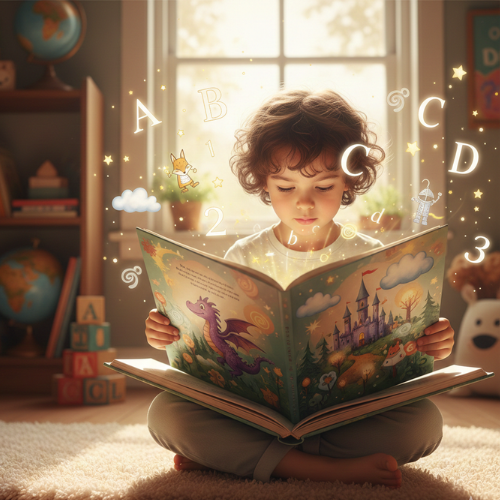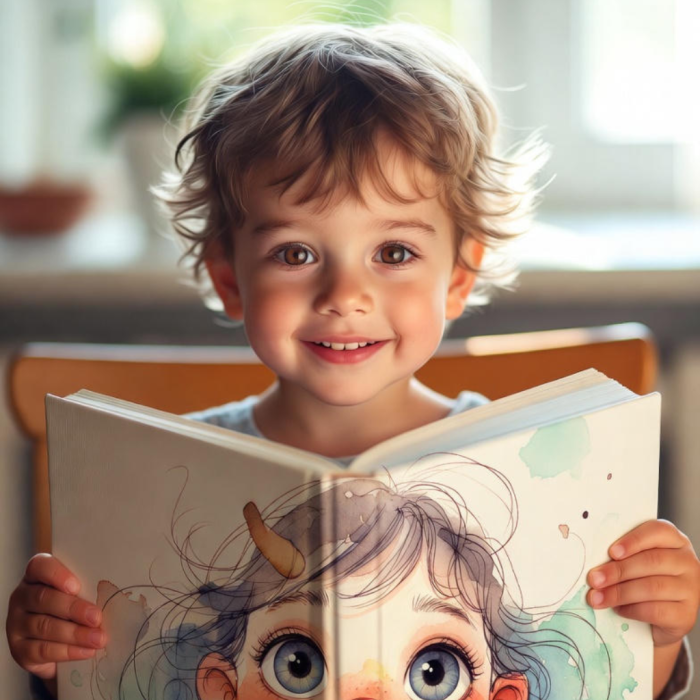



Children’s books hold a magical power—turning words into colorful worlds where young readers learn, dream, and imagine without limits. But what really brings these stories to life? The answer lies in children’s book illustrations. Whether you’re an aspiring illustrator or an author who wants to visually narrate your story, learning how to illustrate a children’s book is an essential step in the creative process.
In this guide, we’ll explore step by step how illustrations can transform simple text into unforgettable stories, along with tips to help you create illustrations that connect with children of all ages.
Why Illustrations Are the Heart of Children’s Books
Illustrations are more than just drawings; they’re a storytelling tool. For children who are still learning to read, visuals often become the primary medium of understanding. Children’s book illustrations:
- Capture emotions that words sometimes can’t
- Build imaginative worlds that inspire curiosity
- Help children associate language with meaning
- Make stories memorable and engaging
Without compelling artwork, even the most beautifully written children’s book may feel incomplete.
Steps To Illustrate A Children’s Book In Professional Way

Step 1: Understand the Story and Its Audience
Before you begin sketching, immerse yourself in the story. Ask yourself:
- What is the central message?
- Who is the target age group?
Illustrating for toddlers is very different from illustrating for middle-grade readers. Younger audiences respond better to bright colors, simple shapes, and expressive characters, while older children may appreciate more detailed and layered visuals.
Step 2: Create a Visual Style Guide
Every successful children’s book has a consistent visual language. Decide on:
- Color Palette – Warm, soft, or vibrant tones?
- Character Design – Simplistic or detailed expressions?
- Overall Mood – Whimsical, adventurous, or educational?
This consistency helps the child recognize characters easily and stay connected with the flow of the story.
Step 3: Develop Storyboard and Thumbnail Sketches
Much like a movie director plans scenes, an illustrator plans pages. Begin with thumbnails—small sketches that show how text and images will sit together. This stage is crucial to balance storytelling and visuals before finalizing full-scale illustrations.
Step 4: Combine Text and Illustration Harmoniously
The relationship between words and visuals is the soul of a children’s book. A strong illustration shouldn’t just repeat what the text says—it should expand the story. For example, if the text says, “The cat was curious,” the illustration might show the cat peeking into a mysterious box, adding a layer of excitement.
Step 5: Bring Characters to Life
Children often form strong emotional bonds with illustrated characters. When learning how to illustrate a children’s book, focus on:
- Expressive eyes and gestures
- Playful body language
- Relatable yet imaginative traits
Characters should feel alive, approachable, and memorable.
Step 6: Build the World Around the Characters
From enchanted forests to cozy bedrooms, backgrounds set the stage for storytelling. While children’s book illustrations should never overshadow characters, the environment gives context and enriches the narrative.
Step 7: Finalize with Details and Polishing
Once layouts and designs are complete, refine details, textures, and colors. Consistency in line quality and coloring will ensure that the final book feels cohesive and professional.
Key Takeaways
- Children’s book illustrations are a powerful tool to engage and educate young readers.
- Learning how to illustrate a children’s book requires understanding the story, audience, and visual harmony.
- Strong characters, expressive artwork, and thoughtful layouts create an emotional impact that lasts a lifetime.
If you’re an author or illustrator looking to bring your story to life, start by focusing on how visuals can complement your words—and watch your book become a timeless treasure for children everywhere.
Elevating Your Story with Lumonova Studio
Mastering the art of children’s book illustration is a journey of turning imagination into a tangible legacy. While the steps outlined in this guide provide a roadmap, the bridge between a great manuscript and a bestselling book is often the quality of the visual execution. At Lumonova Studio, we specialize in breathing life into narratives through bespoke illustrations that resonate with young hearts and minds.
Our team understands that every story is unique. We don’t just draw; we collaborate with authors to ensure every brushstroke serves the narrative, every character feels like a friend, and every page invites a child to linger a little longer. From initial storyboards to final, print-ready masterpieces, we handle the technical complexities so you can focus on the magic of your story.