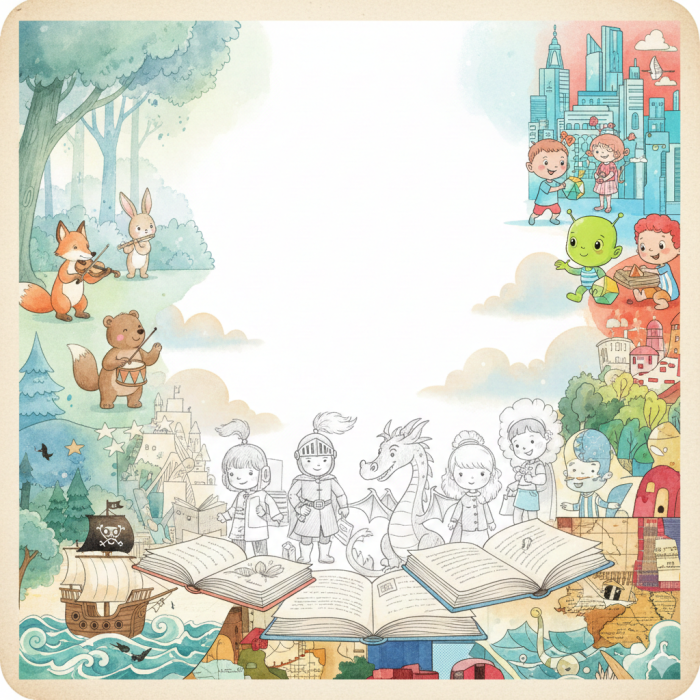



In the realm of children’s literature, the first thing a young reader falls in love with isn’t the plot or the prose—it is the face staring back at them from the cover. Whether it is a curious monkey, a brave little girl, or a misunderstood monster, the character acts as the bridge between reality and the imaginary world. While vibrant backgrounds and beautiful textures play their part, the essence of high-quality children’s book illustration lies in the strength of its characters.
For authors and publishers in the United States, understanding that character design is the “heart” of a story is the first step toward creating a timeless classic. A well-designed character does more than occupy space on a page; it carries the emotional weight of the narrative and serves as a visual anchor for a child’s developing imagination.
The Vital Role of Character Design in Children’s Literature
When we discuss children’s book illustration, we are discussing the art of visual translation. A character must be able to communicate personality, history, and intent without a single word of dialogue. This is why children’s book character design is considered a specialized discipline within the broader world of art.
Characters are the primary vehicles for empathy. For a young child, a character is a friend they are meeting for the duration of thirty-two pages. If that friend looks relatable, expressive, and unique, the child is more likely to revisit the book again and again. This “re-readability” is exactly what turns a simple story into a successful picture book illustration project.
Creating an Emotional Connection Through Visuals
Children are incredibly intuitive visual learners. Long before they can decode the phonetics of a sentence, they are “reading” the facial expressions and body language of the figures in kids book illustrations.
The Power of Expression
A successful children’s storybook illustration relies on exaggerated but authentic emotions. A slightly tilted head can signal curiosity, while a slumped pair of shoulders immediately communicates sadness. When an illustrator masters these nuances, they create a mirror in which the child can see their own feelings reflected.
Relatability and Inclusivity
In the diverse landscape of the United States, representation in children’s book illustration is more important than ever. Character design that reflects a variety of backgrounds, abilities, and experiences allows children to feel seen. When a character is designed with specific, thoughtful details—rather than generic features—it builds a foundation of trust between the reader and the book.
Why Consistency Is Key to Storytelling
One of the most technical challenges in illustrated children’s books is maintaining character consistency. A character must look like the same individual from every angle, in every lighting condition, and across every emotional state.
The “Turnaround” Process
Professional studios, such as Lumonova Studio, emphasize the importance of a character sheet. This document ensures that the protagonist’s proportions, colors, and features remain identical from page one to page thirty. If a character’s hat changes size or their eyes shift color halfway through the book, it breaks the “immersion” for the child, leading to confusion rather than engagement.
Building Visual Trust
Consistency isn’t just about technical accuracy; it’s about reliability. When a character remains consistent, the child begins to trust that character’s journey. This reliability is the hallmark of professional character-driven illustration, where the visual identity of the lead is as stable as the moral of the story itself.
How Character Design Elevates Illustration Quality
You can have the most breathtakingly painted landscapes, but if the character feels like an afterthought, the book will fail to resonate. Strong children’s book character design improves the overall quality of a book in several ways:
- Focus and Composition: A well-designed character naturally draws the eye. Illustrators use the character to guide the reader through the action of the scene.
- Marketability: Think of the most famous illustrated children’s books in history. We remember the Cat in the Hat or Max in his wolf suit. A distinct character design makes a book recognizable on a crowded shelf.
- Narrative Clarity: In kids book illustrations, the character often does the heavy lifting of explaining the plot. If a character looks determined, the child knows they are about to face a challenge, even if the text hasn’t said it yet.
The Art of Visual Storytelling for Young Minds
Visual storytelling is the practice of using imagery to move a plot forward. In picture book illustration, the character is the engine of that movement.
A character’s design should evolve with the story. Perhaps their clothes become a bit more tattered after an adventure, or their posture becomes more upright as they gain confidence. These subtle visual cues enrich the reading experience and provide a layer of depth that words alone cannot achieve. This is the difference between a standard drawing and a truly professional children’s book illustration.
Best Practices for Character-Driven Projects
For authors embarking on their first project, collaborating with a studio that understands the nuances of children’s storybook illustration is essential. The process usually involves:
- Discovery: Defining the character’s age, personality quirks, and motivations.
- Sketching: Exploring different shapes and silhouettes (The “Silhouette Test” ensures the character is recognizable by their outline alone).
- Refinement: Adding color palettes that evoke the right mood—warm tones for comfort or bright, primary colors for energy.
FAQ: Understanding Character Design in Books
1. Why is character design so important in children’s books?
Characters are the emotional entry point for children. Good design ensures the reader can empathize with the protagonist and follow the story visually, which is crucial for pre-readers.
2. What makes a character “memorable”?
A memorable character usually has a distinct silhouette, a unique color palette, and expressive features that convey a clear personality or “voice” through visuals.
3. How many characters should be featured in a children’s book?
While there is no set rule, most successful picture book illustration focuses on one or two central characters to keep the narrative focused and easy for a child to follow.
4. Can the style of the character change throughout the book?
While the character’s emotions or circumstances change, their fundamental design must remain consistent to ensure the reader recognizes them on every page.
Conclusion: The Heart of the Story
At the end of the day, a children’s book is a treasure chest of memories. The stories we carry into adulthood are almost always defined by the characters we met when we were young. By prioritizing children’s book character design, authors and illustrators ensure that their message isn’t just read—it is felt.
Whether you are creating a whimsical world or a modern-day fable, remember that the heart of your project is the character. By investing in high-quality children’s book illustration that focuses on expressive, consistent, and relatable character design, you are creating more than just a book; you are creating a lifelong friend for a young reader.