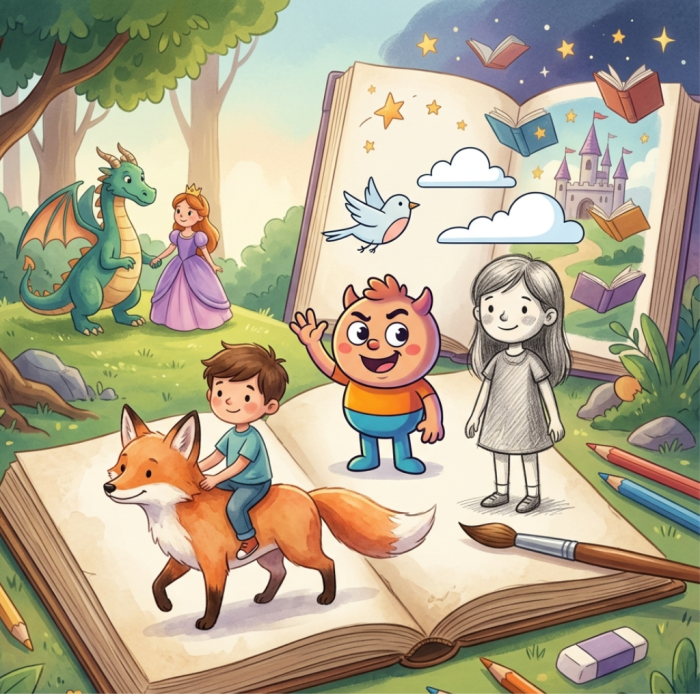



In the landscape of modern publishing, the visual narrative of a story often speaks louder than the words themselves. For a child, opening a book is an act of discovery—a chance to see the world as it is and as it could be. However, when the imagery within those pages remains narrow or homogeneous, the message sent to young readers can be one of exclusion.
Today, the demand for children’s book illustration that reflects the true tapestry of human experience is at an all-time high. Publishers, authors, and educators are recognizing that inclusive visuals are not just a trend; they are a fundamental pillar of child development and a significant driver of success in the global literary market.
At Lumonova Studio, we believe that every child deserves to see themselves as the hero of their own story. By prioritizing diverse character design and authentic visual storytelling, creators can build bridges of empathy that span across borders and cultures.
The Power of the “Mirror and Window” in Visual Storytelling
The concept of “mirrors and windows,” coined by Dr. Rudine Sims Bishop, is perhaps most potent in the realm of illustration.
- The Mirror: When children see characters who look like them, share their traditions, or navigate similar physical abilities, it validates their existence. This visual affirmation builds self-esteem and a sense of belonging.
- The Window: For children from majority backgrounds, diverse imagery acts as a window into lives different from their own. It fosters multicultural storytelling literacy, teaching kindness and curiosity rather than fear of the “other.”
In the USA and global markets, statistics from 2024 and 2025 show that titles featuring underrepresented characters have seen a 20% increase in sales. This shift proves that representation in kid’s books is as much a commercial necessity as it is an ethical one.
Ethical Considerations in Inclusive Children’s Book Art
Creating inclusive children’s book art requires more than just changing skin tones or adding background characters. It demands a deep commitment to cultural accuracy and ethical design.
Avoiding the Trap of Tokenism
Tokenism occurs when diversity is treated as a checklist rather than a narrative integration. High-quality children’s book illustration avoids this by ensuring that diverse characters have agency, complex emotions, and central roles in the plot. At Lumonova Studio, our approach involves researching the specific nuances of a character’s background to ensure they feel like a living, breathing person rather than a caricature.
The Importance of Culturally Accurate Artwork
Inaccuracy can be harmful. Depicting traditional attire, religious symbols, or specific hair textures incorrectly can alienate the very audience a book seeks to include. Professional inclusive illustration services prioritize:
- Authentic Color Palettes: Moving beyond generic shades to capture the richness of various skin tones and textiles.
- Environmental Context: Ensuring settings, architecture, and domestic details reflect the character’s specific heritage.
- Lived Experience: Consulting with sensitivity readers or cultural experts to avoid perpetuating harmful stereotypes.
Why Do Publishers Prioritize Diverse Character Design?
From a professional perspective, the publishing industry is undergoing a “Great Diversification.” In 2026, the global children’s book market is projected to reach over $12 billion, with North America leading the charge in the demand for culturally accurate artwork.
What are the market benefits?
- Global Reach: Books with universal, inclusive themes are easier to license for international editions.
- Educational Alignment: Schools and libraries now actively seek child-friendly visual storytelling that supports DEI (Diversity, Equity, and Inclusion) curricula.
- Brand Trust: Authors and publishers who consistently champion diversity build long-term trust with a modern, socially-conscious generation of parents.
How Does Representation Impact Early Childhood Development?
The impact of imagery on a developing brain is profound. Research suggests that children as young as three begin to form biases based on the media they consume.
Can illustrations reduce bias?
Yes. When a child is exposed to representation in kids’ books that portrays different family structures—such as multi-generational homes, LGBTQ+ parents, or single-parent households—they learn to accept these realities as normal and valid.
Supporting neurodiversity and disability
True inclusion also means depicting neurodivergent characters and those with physical disabilities. Whether it’s a character using a wheelchair, a hearing aid, or navigating sensory processing needs, these visual cues help destigmatize disability for all children.
The Role of Professional Inclusive Illustration Services
Choosing the right creative partner is essential for authors who want to get representation right. A professional studio does not just “draw”; they act as a guardian of the story’s integrity.
Lumonova Studio specializes in helping authors navigate the complexities of diverse character design. By blending artistic excellence with cultural sensitivity, we help creators move beyond “diversity for diversity’s sake” and toward meaningful, impactful storytelling.
When you invest in children’s book illustration that values every reader, you aren’t just making a book—you are shaping the worldview of the next generation.
Summary of Best Practices for Inclusive Art
To ensure your project meets the highest standards of the modern publishing industry, consider the following:
- Research First: Never guess on cultural or religious details.
- Focus on Agency: Ensure diverse characters drive the action.
- Detail Matters: Pay attention to hair, clothing, and home environments.
- Seek Feedback: Use sensitivity reviewers during the sketching phase.
- Be Bold: Don’t shy away from “difficult” or underrepresented topics.
Conclusion: Shaping the Future, One Page at a Time
The world is a vibrant, multifaceted place, and our children’s bookshelves should reflect that reality. By championing inclusive children’s book art, we provide young readers with the tools they need to navigate a global society with empathy and confidence.
As the industry continues to evolve, the responsibility falls on us—the creators, publishers, and illustrators—to ensure that no child feels invisible. The future of storytelling is inclusive, and the impact of that change will be felt for generations to come.