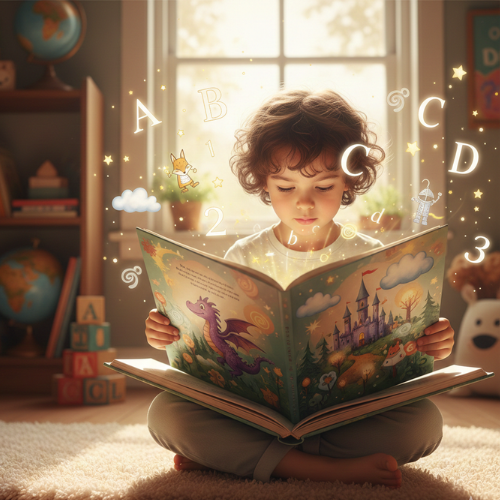



Creating a children’s book is not just about writing a story; it’s about crafting an entire world. And at the heart of that world, illustrations play an indispensable role in engaging young readers. Kids book illustrations not only complement the narrative but also breathe life into characters, settings, and emotions. For authors, publishers, and illustrators alike, understanding the book illustration process is essential to delivering high-quality, captivating artwork. In this blog, we’ll take you through the entire journey of creating custom illustrations for children’s books—from concept to the final artwork.
Step 1: Initial Concept and Research
The process of creating kids book illustrations begins long before the first stroke of the brush or digital pen. The first and most important step is to understand the story’s core, the characters, and the world they inhabit.
Understanding the Story and its Message
Before starting any illustration work, an illustrator needs to comprehend the essence of the story. What message does the story convey? What emotions does it evoke? The illustrator will ask these questions to ensure that the artwork complements the narrative. For example, a whimsical tale may require light, colorful, and playful illustrations, while a more serious story might need muted tones and grounded characters.
Research and Inspiration
Once the illustrator understands the storyline, the next step involves gathering references. For custom illustrations for kids books, inspiration could be drawn from various sources such as nature, other illustrations, or even art history. This phase is crucial in setting the tone and establishing the visual elements of the book. Researching reference materials helps the illustrator develop a consistent style and ensures that the illustrations fit the world the author has created.
Step 2: Sketching and Drafting Ideas
Once the creative direction is defined, the illustrator begins to sketch out the first ideas. This stage typically involves creating rough drafts that explore the structure, layout, and composition of the illustrations.
Thumbnail Sketches and Layout Planning
The illustrator will create small, quick “thumbnail” sketches to determine the placement of key elements in each illustration. These sketches help visualize how the text will interact with the images and ensure the pacing of the story is captured effectively. Book illustration process involves considering how the images will lead the eye, direct attention, and evoke emotion.
Character Design
Character design is one of the most crucial elements of children’s book illustration. The characters must be visually engaging and relatable to the audience. Whether the characters are magical creatures, animals, or human children, their design must align with the story’s tone. This is the phase where the illustrator plays with proportions, colors, and personality traits. For instance, a brave hero might have bold features, while a timid character might appear more delicate and soft.
Step 3: Refining the Design
Once the basic structure and characters are sketched, the next step is to refine these concepts. This phase involves transforming the rough sketches into detailed pencil drawings, bringing the story closer to its final form.
Detailed Pencil Drawings
The illustrator now focuses on adding detail and depth to the sketches. This is where the characters are given intricate features, and the environments are fleshed out. It’s also at this stage that the illustrator begins fine-tuning the overall look of the illustration to match the vision of the story. For example, if the setting is a magical forest, the details of trees, lighting, and shadows will be carefully considered.
Feedback and Revisions
Feedback is an essential part of the book illustration process. Authors and publishers will review the detailed sketches and provide their input. This can involve making adjustments to ensure the images align with the book’s tone, story, and market expectations. For instance, a publisher may suggest altering a character’s expression to better reflect the storyline’s mood or modifying the colors for consistency.
Step 4: Adding Color and Final Artwork
After the pencil drawings are approved, it’s time to bring the illustrations to life with color. This phase is where the illustrations truly shine, adding vibrancy and emotional depth to the scenes.
Choosing the Right Medium
Illustrators have the option to work with traditional media (watercolors, oil paints, etc.) or digital tools. In recent years, digital illustrations for kids’ books have become the preferred method due to their flexibility, ease of editing, and efficiency in meeting deadlines. Digital tools also allow for seamless integration with text and a consistent visual style across multiple illustrations.
Color Palette and Lighting
The selection of colors is crucial for setting the right mood and tone. Warm colors such as reds and oranges may be used to convey excitement or warmth, while cool tones like blues and greens might evoke calmness or mystery. Lighting is another critical element; well-executed lighting in illustrations can add depth, focus, and emotion to the story, highlighting important characters or scenes.

Step 5: Final Adjustments and Artwork Delivery
With the illustrations now fully colored, the final phase involves tweaking and refining the artwork to ensure it’s ready for print.
Polishing the Details
At this stage, the illustrator looks at every element of the artwork—adjusting shadows, refining edges, and making sure everything is aligned perfectly. It’s essential to double-check that all the elements fit the overall design and vision of the book. For instance, the illustrator might correct the alignment of characters or enhance the colors to ensure the artwork is as vivid and striking as possible.
Final File Preparation
Once the artwork is finalized, the illustrator prepares the files for delivery. This typically involves exporting high-resolution images in the required formats, such as TIFF, JPEG, or PDF, ready for printing or digital publishing. The illustrator may also work with the publisher’s design team to ensure that the layout integrates seamlessly with the text.
Step 6: Bringing the Book to Life
After the illustrations are complete and finalized, the book moves to the next stage: production. The illustrations are integrated with the text, and the book is formatted for either print or digital distribution. The kids book illustrations now serve as a key component of the book’s overall identity, transforming it into a complete, immersive experience for young readers.
Why Children’s Book Illustrations Matter
Illustrations are vital for children’s book artwork because they do more than just enhance the story; they make it come alive. For young readers, images often communicate the emotions and actions of characters more clearly than text alone. Well-executed custom illustrations for kids books engage the imagination and improve comprehension, helping children connect with the characters and the narrative. Illustrations also play an educational role by helping children develop visual literacy, sparking curiosity, and improving focus.
Conclusion: Crafting Stories Through Illustrations
The book illustration process is a detailed and thoughtful journey that requires creativity, technical skill, and a deep understanding of the narrative. From the first sketch to the final artwork, every step ensures that the illustrations align with the story’s message, engage young readers, and leave a lasting impact. At Lumonova Studio, we take great pride in creating custom illustrations for kids books that not only captivate the imagination of children but also support authors and publishers in telling their stories in the most engaging way possible.
If you’re looking to bring your children’s book to life with stunning, professional illustrations, contact Lumonova Studio today, and let us help you create something special.
Frequently Asked Questions (FAQs)
The time required to create a children’s book illustration can vary depending on factors like complexity, the number of illustrations, and client feedback. On average, it may take between 4 to 6 weeks per illustration, including revisions and finalizing the artwork.
Yes, Lumonova Studio specializes in custom illustrations for kids books. We work closely with authors and publishers to create illustrations that are tailored to your story’s theme, characters, and style.
While Lumonova Studio primarily uses digital tools for efficiency and consistency, we are open to exploring traditional media if the project calls for it. We ensure that the final result meets the quality standards required for publishing.
Digital illustrations are faster to produce, easily editable, and highly versatile, allowing for precise adjustments. Traditional illustrations, on the other hand, offer a unique, organic feel and texture that may appeal to specific aesthetic preferences.
A5: To start, simply reach out to us with your project details, including the manuscript, timeline, and any specific ideas you have for the illustrations. We’ll schedule a consultation to discuss your vision and begin the collaboration process.