


Introduction
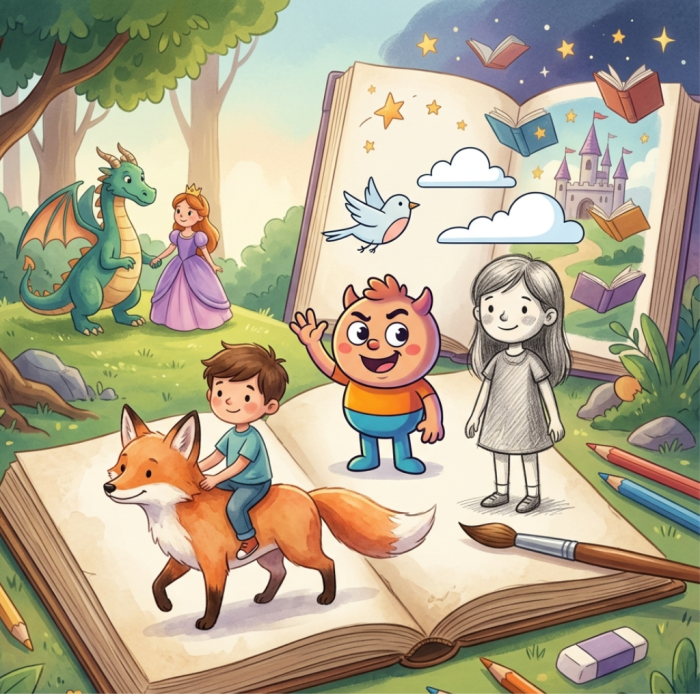
In the world of children’s books, the relationship between text and illustrations is far more than a mere pairing—it’s an integral part of the storytelling process. While the written word creates a foundation for the narrative, it is the illustrations that breathe life into it, guiding young readers through the story. Whether it’s a fantastical adventure or a simple tale of friendship, illustrations help convey emotions, define characters, and establish the world of the story in a way that words alone cannot.
In this blog, we will explore how illustrations in children’s books go beyond just complementing the text and why they are essential to the success of any children’s book.
The Vital Role of Illustrations in Children’s Literature
Children’s literature is unique in that it must cater to not only the intellectual needs of young readers but also their visual and emotional development. This makes illustrations an essential component of the reading experience. Research shows that children’s cognitive and emotional connections to stories are often triggered and strengthened by images, especially in early childhood.
Enhancing Comprehension:
For young readers, especially those just beginning to read independently, illustrations serve as visual cues that help them understand the story. By pairing the text with relevant images, children can make sense of the plot, setting, and characters. A picture showing a character’s journey across a magical landscape helps young readers grasp the abstract ideas presented in the text.
Fostering Creativity and Imagination:
Illustrations in children’s books fuel creativity by presenting children with new worlds, characters, and possibilities. While words may describe a scene or character, the illustrator’s depiction ignites the imagination, allowing children to visualize these elements in their own way. The more vivid and detailed the illustrations, the more room children have to create their own mental images and narratives.
Building Emotional Connections:
One of the most powerful ways that illustrations impact children’s books is by creating an emotional bridge between the story and the reader. The illustrator’s use of color, expression, and movement can visually communicate a character’s emotions or the atmosphere of a scene. For example, a warm, glowing illustration can make the reader feel the joy of a celebration, while darker tones can evoke feelings of suspense or sadness.
How Illustrations Enhance the Story
Illustrations do more than fill the pages of a book—they amplify the narrative, bringing it to life in dynamic ways. Through clever use of imagery, illustrators convey subtle details of the story that may not be immediately obvious in the text. Here’s how:
Creating the Setting:
In children’s books, illustrations often define the setting before any words are even read. Whether it’s a bustling city, a quiet forest, or an outer-space adventure, illustrations help establish the world in which the story takes place. They provide context, setting the tone for the narrative, and giving readers a sense of place.
Visualizing Complex Concepts:
For young readers, especially in educational books, illustrations can simplify abstract concepts. A picture of a caterpillar transforming into a butterfly makes the metamorphosis process more understandable than just a description in text. Similarly, a chart or diagram can help children learn about the human body, animals, or space, reinforcing educational messages with clear visuals.
Expanding the Narrative:
Illustrations have the unique ability to subtly expand on the narrative. In picture books, the imagery often adds layers to the text. For example, an illustrator might depict a character’s backstory through small details in the background or use a single image to foreshadow future events in the story. These visual elements add depth to the narrative and encourage readers to look more closely at the page.
Illustration Styles and Their Impact on Storytelling
The choice of illustration style plays a significant role in how the story is received by young readers. Each style brings a different tone, mood, and emphasis to the narrative. Let’s explore some common illustration styles and how they align with various types of children’s literature.
Whimsical Illustrations:
This style is playful, imaginative, and often fantastical. Whimsical illustrations are commonly used in books for younger children or in stories filled with magic and adventure. Their vibrant colors, exaggerated characters, and lively scenes help create a sense of wonder and excitement. These illustrations appeal to children’s sense of imagination, inviting them into a world where anything is possible.
Realistic Illustrations:
Realistic illustrations are more detailed and true-to-life, often used in educational books or stories based in the real world. This style helps children relate to the material by presenting the world as they know it. Realistic illustrations are ideal for non-fiction books or stories about animals, history, or human emotions. They make abstract or scientific concepts more tangible and accessible.
Cartoon-Style Illustrations:
Cartoon-style illustrations are characterized by exaggerated expressions, playful characters, and humorous scenes. This style is often found in books aimed at slightly older children who enjoy light-hearted, entertaining stories. The humor, vivid characters, and exaggerated actions capture attention and add an element of fun to the book.
Watercolor Illustrations:
Watercolor illustrations are soft, dreamlike, and ideal for books that have a gentle, calming tone. The fluidity of watercolor creates an ethereal quality, making it perfect for bedtime stories or narratives that focus on nature, fantasy, or introspection. This style’s soothing palette of colors creates a serene and peaceful atmosphere, making it ideal for creating a relaxing reading experience.

The Collaborative Process: Author and Illustrator Working Together
One of the most exciting aspects of creating a children’s book is the collaboration between the author and illustrator. While the author is responsible for the story’s plot and characters, the illustrator brings the words to life visually, providing the child with an enhanced understanding of the world the author has created.
Shared Vision:
It is essential for both the author and illustrator to align their creative vision for the book. The author’s text provides the foundation, but the illustrator’s interpretation of the words is what shapes how readers will engage with the story. A strong, collaborative relationship ensures that both the text and the images serve the same purpose and tone.
Feedback and Refinement:
The illustration process is a dynamic one, often involving feedback and revisions. Authors may suggest changes to the visuals to align them better with the story, while illustrators may propose additions that deepen the narrative. This back-and-forth process is where creativity flourishes and where the final product begins to take shape.
Frequently Asked Questions (FAQs)
Illustrations are crucial in children’s books because they bring the story to life. For young readers, visuals help enhance comprehension, build emotional connections, and stimulate creativity and imagination. Illustrations also make abstract or complex ideas easier to understand, providing visual cues that complement the text.
Illustrations play a significant role in supporting the narrative by setting the scene, conveying emotions, and highlighting key moments in the story. They visually interpret the author’s words, adding depth and richness to the text. Through clever use of color, character expressions, and background details, illustrations enhance the overall storytelling experience.
There are several popular illustration styles used in children’s books, including:
Whimsical illustrations that are playful and imaginative, perfect for magical or adventure-themed books.
Realistic illustrations that are detailed and lifelike, often used for non-fiction or educational books.
Cartoon-style illustrations that are exaggerated and humorous, typically used in books with a lighthearted tone.
Watercolor illustrations that are soft and dreamy, ideal for calming bedtime stories.
Each style sets the tone and mood of the story, contributing to the reader’s engagement.
Choosing the right illustrator depends on your story’s theme, tone, and target audience. Start by reviewing the illustrator’s portfolio to see if their style aligns with the message and atmosphere you want to convey. It’s important to find an illustrator who understands your vision and can bring it to life in a way that enhances your story. Communication and collaboration between you and the illustrator are key.
Illustrations play a significant role in early childhood development by enhancing language and literacy skills. They help children connect words with images, reinforcing vocabulary and comprehension. Visual storytelling encourages children to engage with the narrative, aiding in their understanding of context, emotions, and plot. As children grow, illustrations continue to support their ability to interpret more complex stories and themes.
Yes, illustrations are a powerful tool in teaching children new concepts and life lessons. For example, illustrations can visually represent moral lessons, such as kindness or perseverance, by showing characters in specific situations. Educational books often use illustrations to simplify complex subjects like math, science, or geography, making learning more engaging and accessible for young minds.
At Lumonova Studio, we specialize in custom, high-quality illustrations tailored to the unique needs of children’s books. Our team works closely with authors to ensure that every visual element aligns perfectly with the narrative. From character designs to full-page spreads and book covers, we bring stories to life through engaging, professional artwork. Whether you need whimsical, realistic, or cartoon-style illustrations, we’re dedicated to delivering visuals that captivate and inspire young readers.
The timeline for completing illustrations for a children’s book can vary depending on the complexity of the project, the number of illustrations required, and the level of detail involved. On average, the process may take anywhere from a few weeks to a few months. At Lumonova Studio, we work closely with clients to establish clear timelines and ensure that the project is completed to the highest standards.
The cost of children’s book illustration services can vary depending on several factors, including the illustrator’s experience, the style of illustrations, and the number of pages in the book. At Lumonova Studio, we offer customized quotes based on the specific requirements of each project. We ensure that our pricing is competitive and transparent, with no hidden fees.
Getting started with Lumonova Studio is simple. Reach out to us through our website or contact us directly to discuss your project. We’ll schedule a consultation to understand your vision, story, and illustration needs. From there, we’ll guide you through the entire process, from concept to final delivery, ensuring that your book’s illustrations are a perfect match for your narrative.
Conclusion: The Essential Role of Illustrations in Children’s Books
In children’s books, illustrations do more than simply enhance the text—they are integral to the storytelling process. Through their ability to create atmosphere, convey emotions, and visualize complex ideas, illustrations breathe life into words, providing young readers with a deeper connection to the narrative. As technology continues to evolve and new styles emerge, the role of illustrations in children’s literature will continue to be essential in fostering a lifelong love of reading and learning.
At Lumonova Studio, we understand the importance of illustrations in creating captivating, memorable children’s books. Whether you’re looking for custom character designs, full-page spreads, or an eye-catching book cover, we specialize in bringing your story to life through high-quality, professional illustrations. Contact us today to transform your story into a visual masterpiece.