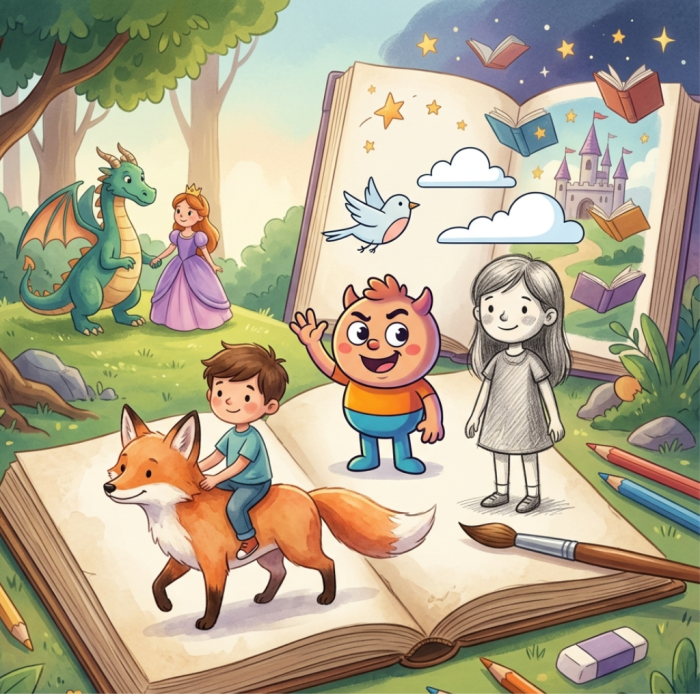



In the ever-evolving world of children’s publishing, the visual language of a book is often more influential than the words themselves. For authors and publishers, selecting from the vast array of children’s book illustration styles is a pivotal decision that defines the book’s soul. As we approach a new era in literature, understanding the nuances of these artistic choices is essential for creating a legacy on a child’s bookshelf.
Defining the Core of Children’s Book Illustration Styles
At its heart, the choice of children’s book illustration styles serves as the primary bridge between a child’s imagination and the written word. Before a toddler can decode a sentence, they are “reading” the images. Professional illustrators use various techniques—ranging from traditional graphite to complex digital rendering—to establish the mood of a narrative.
Whether it is the soft, bleeding edges of a watercolor wash or the sharp, high-contrast lines of a vector design, each style carries an emotional weight. In the current market, the most successful books are those where the artwork doesn’t just decorate the page but actively participates in the storytelling. Industry experts often categorize these styles based on their medium, their complexity, and the specific emotional response they elicit from the reader.
The Evolution and Modern Children’s Book Illustration Styles
The landscape of publishing has shifted dramatically from the hand-etched plates of the 19th century to the modern children’s book illustration styles seen today. While classic aesthetics still hold a place in our hearts, the modern era has introduced “flat design” and “stylized realism.”
Modern styles often prioritize clarity and bold communication. For instance, the rise of “digital painterly” styles allows artists to mimic the texture of oil or acrylic paint while maintaining the crispness required for high-quality digital screens and tablets. This evolution ensures that books remain engaging for a generation of “digital natives” who are accustomed to high-definition visuals but still crave the tactile, “human” feel of a physical book.

Anticipating the Trends: Children’s Book Illustration Styles 2026
As we look toward the future, children’s book illustration styles 2026 are expected to be defined by a “back-to-basics” movement infused with high-tech execution. Industry analysts predict a surge in “tactile digital” art—illustrations that are created on tablets but feature heavy textures like charcoal, linen, and sponge-stamping.
In 2026, the industry is moving toward:
- Hyper-Expressive Characters: Large, emotive eyes and exaggerated gestures to help children develop emotional intelligence.
- Neon-Pastel Palettes: A move away from traditional primary colors toward more sophisticated, vibrant, and “electric” color schemes.
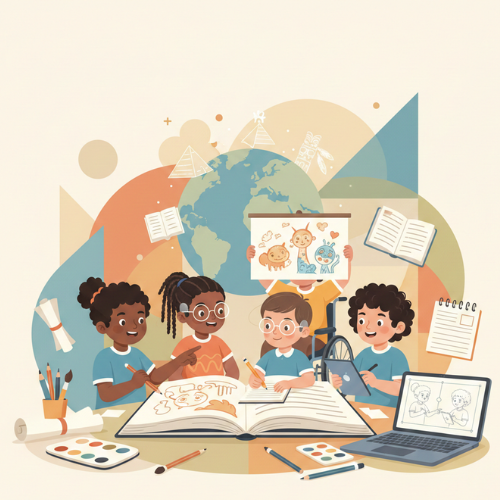
- Inclusive Realism: A style that focuses on diverse, realistic human features while maintaining a whimsical, storybook atmosphere.
Why Popular Children’s Book Illustration Styles Matter for Success
Choosing among the popular children’s book illustration styles is not just an artistic choice; it is a strategic business decision. A book’s visual identity directly impacts its “shelf appeal” and discoverability. In a crowded marketplace, the right style acts as a beacon for the target audience.
Statistics in the publishing industry suggest that books with a consistent, professional illustration style see higher engagement rates and better reviews. When the style aligns perfectly with the genre—such as a “moody, atmospheric” style for a mystery or a “bright, bouncy” style for a comedy—it creates a seamless immersion that keeps children returning to the book again and again.
Exploring Unique Children’s Book Illustration Styles for Niche Stories
For authors looking to break the mold, unique children’s book illustration styles offer a way to stand out. These include “collage” and “mixed media,” where an artist might combine scanned fabrics, photographs, and hand-drawn elements.
Notable examples of unique styles include: | Style | Characteristic | Best For | | :— | :— | :— | | Wimmelbuch | Highly detailed, “busy” scenes with no text. | Search-and-find books. | | Linocut/Woodblock | Bold, chunky, and slightly imperfect prints. | Folk tales and historical stories. | | 3D Rendered | Characters that look like they could be in a Pixar movie. | High-action adventure. |
Using a unique style can turn a simple story into a collector’s item, appealing to parents who value “art-house” aesthetics and high-concept design.
Comparing the Best Children’s Book Illustration Styles for Different Ages
The best children’s book illustration styles are those that respect the developmental stage of the reader. What works for a newborn would likely bore a ten-year-old, and what fascinates a middle-grader might overstimulate a toddler.
- Ages 0-3 (Board Books): High contrast, simple shapes, and “minimalist” styles.
- Ages 3-6 (Picture Books): Whimsical, watercolor, and bright cartoon styles.
- Ages 7-12 (Middle Grade): Detailed sketches, line drawings, or “graphic novel” aesthetics that support longer texts.
By matching the complexity of the art to the cognitive abilities of the child, publishers ensure the book is accessible and enjoyable.
The Impact of Top Children’s Book Illustration Styles on Narrative
When discussing the top children’s book illustration styles, one cannot overlook their role in “visual subtext.” Often, the illustrations tell a story that the text does not explicitly mention. An illustrator might hide a secondary character in the background or use color shifts to signal a change in the protagonist’s mood.
This synergy between text and image is what elevates a standard story into a masterpiece. For example, a “sketchy, loose” style can convey a sense of movement and frantic energy, while a “smooth, vector-based” style might suggest order and calm. The art style essentially acts as the “cinematography” of the book.
Traditional vs. Digital: Diverse Children’s Book Illustration Styles
The debate between traditional and digital children’s book illustration styles is largely a matter of texture versus versatility. Traditional mediums like watercolor, gouache, and colored pencils offer an organic “warmth” that is hard to replicate perfectly. They carry the “hand of the artist,” which many parents find nostalgic and charming.
On the other hand, digital styles allow for infinite revisions, perfect color matching, and faster production times. Most modern illustrators now use a “hybrid” approach, sketching by hand and coloring digitally, or using brushes that perfectly mimic traditional media. This ensures that the book benefits from both the soul of traditional art and the precision of modern technology.
Choosing Children’s Book Illustration Styles for Global Markets
For a book to succeed globally, the children’s book illustration styles must be “geo-optimized” to resonate with different cultural sensibilities. While North American markets often favor the “bright, polished” look of commercial cartoons, European markets frequently embrace more “experimental, moody, and painterly” styles.
Publishers must consider:
- Cultural Symbolism: Colors can have different meanings across cultures.
- Character Representation: Modern styles must reflect a global audience to be relevant in international schools and libraries.
- Aesthetic Traditions: Some regions have a deep-rooted love for certain styles, such as the “Manga-influenced” styles popular in Asia or the “fine-art” tradition in Eastern Europe.
Final Thoughts on Mastering Children’s Book Illustration Styles
In conclusion, navigating the world of children’s book illustration styles requires a balance of artistic intuition and market awareness. Whether an author chooses a timeless watercolor approach or opts for the vibrant energy of modern children’s book illustration styles, the goal remains the same: to captivate the hearts of young readers.
As we move toward 2026, the emphasis will continue to be on authenticity, inclusivity, and emotional resonance. By understanding the various top children’s book illustration styles, creators can ensure their stories are not only read but felt, remembered, and passed down through generations.
Every story deserves a visual soul that captivates young hearts and stands the test of time. At Lumonova Studio, we blend artistic mastery with the magic of storytelling to bring your characters to life through breathtaking children’s book illustration styles. Whether you’re a first-time author or a seasoned publisher, let’s collaborate to turn your manuscript into a vibrant masterpiece that children will cherish for generations. Reach out to our creative team today for a personal consultation and let’s start your publishing journey together.